



Blog

Pessary for Prolapse: What it is, How it’s Fitted and Who it Suits
A pessary is a small, removable device that supports the pelvic organs and can ease the heaviness and bulge of prolapse. Here’s how pessaries work, the main types, how they’re fitted and who they suit
Latest Blog
Here you will find articles written by our physios covering pelvic health issues and concerns. These are updated regularly – if you are a patient of ours you can opt into receiving our blog posts right into your inbox when a new one goes live!
Articles include everything from general lifestyle advice to what we can treat and what treatment options are available for different conditions. For more personalised, comprehensive care and treatment advice that is tailored to you and your pelvic health needs, make an appointment with one of our highly skilled and passionate physiotherapists.
Questions?

Prolapse at Menopause: Why Prolapse Often Appears Later in Life
Feeling heaviness or a dragging sensation in your pelvis? Prolapse at menopause is very common – especially if you’ve had children. Here’s why it happens and what you can do about it.

Why Sex Becomes Painful at Menopause – And What You Can Do
Has sex become painful since menopause – even though you were fine before? You’re not alone, and you don’t have to put up with it. Our Wellington pelvic floor physio team explains why it happens and how physiotherapy can help

Return to Running After Baby | Pelvic Floor Physio Wellington
If you’re in Wellington and you're wondering when you can safely return to running after baby, you’re not alone. Many women feel ready to exercise again. However, when they try to run, they notice leaking, heaviness, or discomfort. If you’ve had a baby and you’re...

Urge vs Stress Incontinence – What’s the Difference? | Wellington Pelvic Physio
Understanding the difference - urge incontinence vs stress incontinence - can help you get the right treatment and stop it from happening. And it's not just women - men can also experience urgency, leakage, and changes after prostate surgery or with age. If you’ve...

Why Am I Leaking After Baby – Even Months (or Years) Later?
If you’re leaking after baby - at 3 months, 1 year, or even several years postpartum - you are not alone. Many women feel confused or embarrassed, especially when they thought it would “just settle.” But postpartum leaking is common, and it’s also treatable with the...

Pelvic Health Over the Holiday Season
Changes to normal routines can affect pelvic health over the holiday season more than many people realise. Travel, long periods of sitting, busy schedules, rich food, less movement, and disrupted sleep can all place extra load on the pelvic floor. Being aware of this...

Pain With Sex: How Pelvic Floor Physio Can Help
Experiencing pain with sex can feel confusing, upsetting, and deeply isolating - yet it’s far more common than most people realise. Many people struggle silently out of embarrassment, shame, or the belief that discomfort is “just part of life,” especially after...
Your First Pelvic Floor Physio Appointment – What to Expect
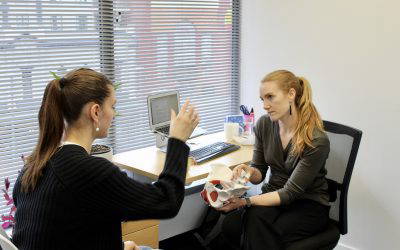
If you are not quite sure what to expect from your first pelvic floor physio appointment - you're not alone. It’s normal to feel a bit nervous before you come in. You may have been referred by your doctor, or a friend may have told you about us. You may have found us...

Can a Physiotherapist Help with Pelvic Organ Prolapse?
“Can a physiotherapist help with pelvic organ prolapse? The simple answer is yes.” Physiotherapy is one of the most effective non-surgical treatments, recommended worldwide as a first-line approach. This guide will show how pelvic floor physiotherapy can support and...

Perimenopause and Menopause – how exercise can help
Thriving Through Perimenopause and Menopause: How Exercise & Pelvic Health Physiotherapy Can Help The transition through perimenopause and into post-menopause is a natural part of life—but it can come with some unexpected challenges. From hot flashes to fatigue,...

Birth Trauma – let’s talk about it
Birth Trauma Awareness Week (14–20 July 2025): Let’s Talk About It — Raising Awareness of Physical and Emotional Birth Trauma — Birth is powerful, transformative, and for many a beautiful time. But for some, it can also be traumatic physically, emotionally, or both....

Talking about Prostate Cancer Matters!
Prostate cancer treatment causes a number of side effects and each week in our clinic we see many men who have come in for help. We are incredibly grateful to one our lovely patients for sharing his journey...... Kia ora e te whānau—I never thought I would be...

Pelvic Health Physio: recovery from prostate surgery
A pelvic health physio can play a crucial role for many men who undergo a radical prostatectomy—the surgical removal of the prostate for treatment of prostate cancer. While this procedure is incredibly effective in treating cancer, it can lead to challenging side...

What is your pelvic floor good for? – more than you might think!
What are your pelvic floor muscles? Your pelvic floor muscles are a group of muscles that form a sling or hammock across the bottom of the pelvis. They stretch from the pubic bone at the front to the tailbone at the back. They’re a bit like a bowl sitting within the...

Getting help with endometriosis
The average time it takes to get help with endometriosis diagnosis is 6 to 8 years, with some people experiencing delays of 7-10 years from the onset of symptoms to a confirmed diagnosis. This delay is huge, and it highlights the importance of raising awareness about...